
SOC 2 TYPE II Certified · HIPAA · PCI DSS · WCAG 2.2 AA · Trust.TruCentive.com
Unclaimed rewards returned to you
Support | 415-386-8600
Cash is clean. Gift cards are easy. But when every research incentive looks the same, participation can start to feel purely transactional.
Adding merch as a research incentive, alongside cash and gift cards, is one way to break that pattern. For a lot of research programs, sticking with a single payout option is a missed opportunity. Whether you’re running clinical studies, market research panels, UX testing, customer advisory boards, employee research, academic studies, or community based research, the participant experience matters. Some people just want the most practical payout available. Others respond to variety, novelty, and rewards that feel a little more personal.
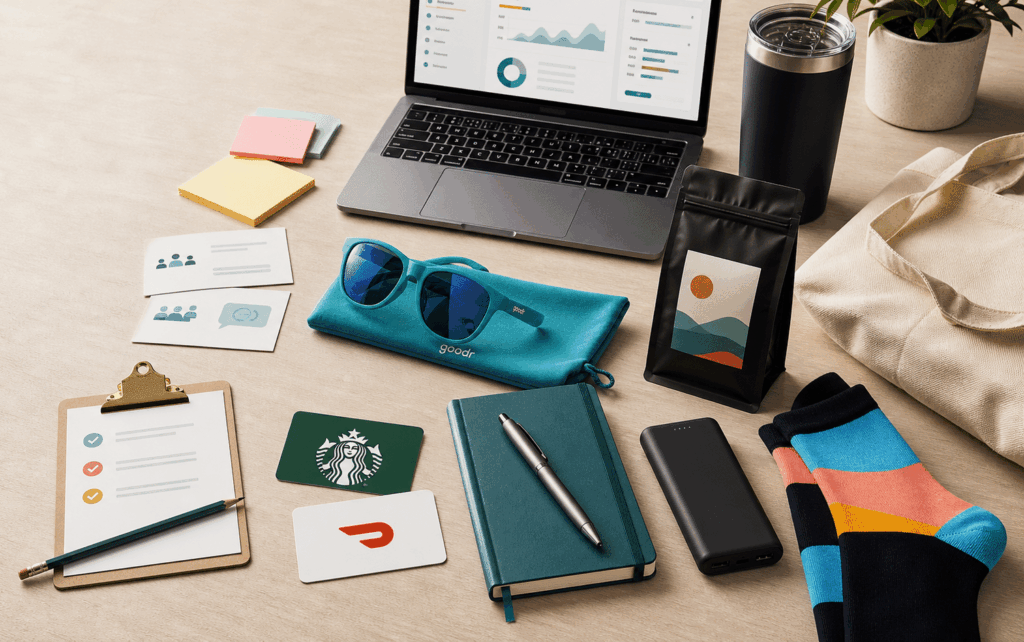
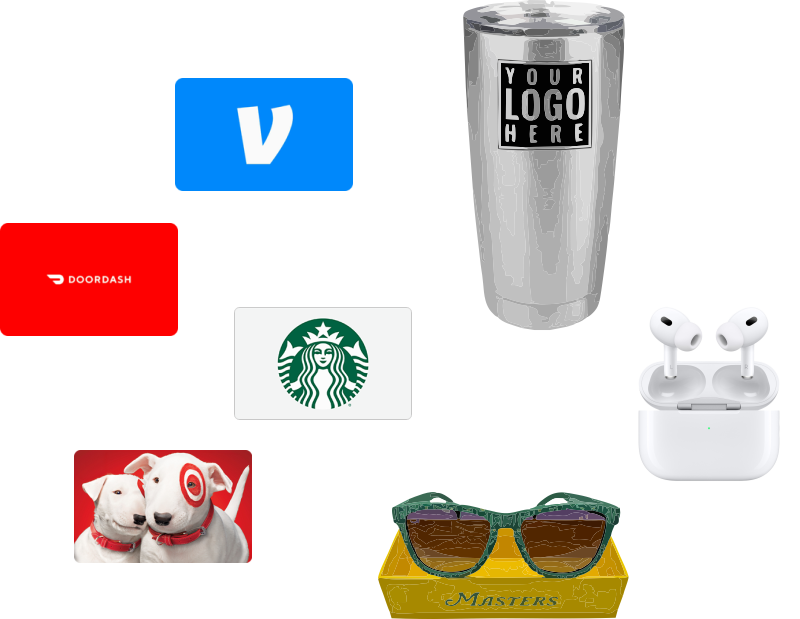
A flexible set of research incentive payout options, things like goodr sunglasses, premium drinkware, notebooks, totes, tech accessories, wellness items, or branded apparel, can go a long way toward making participation feel memorable instead of routine. The key is choice.
6 minute read
Research participation often asks people to give up their time, their opinions, their personal experiences, or their behavioral data. When the reward is fixed, that exchange can feel a little rigid. When participants get to choose from several options, it feels more respectful and more personal.
A participant who selects $50 cash will probably feel fairly compensated. But a participant who gets to choose between $50 cash, a digital gift card, goodr sunglasses, a donation option, or a premium notebook feels something extra: a small sense of agency.
That sense of control shows up differently across research contexts. A UX tester might gravitate toward a practical tech accessory. A market research panelist might enjoy a recognizable lifestyle item. A patient participant might just prefer cash. A customer advisory board member might value premium branded merch because it signals belonging.
Choice lets participants define what “worth it” actually means to them.
Cash disappears into daily life. Gift cards get spent and forgotten. A physical item sticks around.
That visibility creates a memory cue. Sunglasses in the car, a mug on the desk, a tote at the grocery store, a hoodie in regular rotation, all of these can remind someone, months later, that participating in your research felt worthwhile.
That kind of lasting impression matters a lot for teams that depend on repeat engagement: longitudinal studies, insight communities, brand panels, UX research pools, beta tester programs, customer councils, employee listening programs, academic cohorts. A useful item turns the research experience into something tangible, something that outlives the survey itself.

Participants get tired of sameness, just like anyone else. If every survey, interview, diary study, prototype test, or check in ends with the exact same reward, that incentive can start to lose its emotional pull.
Rotating optional merch gives a program some texture. One project might offer standard cash. Another might include goodr sunglasses, a portable charger, a water bottle, a notebook, a coffee kit, or something seasonal.
The novelty doesn’t need to be extravagant. It just needs to signal that participants aren’t being treated like a row in a spreadsheet. For research programs competing for people’s attention, that signal matters more than it might seem.

Cash disappears into daily life. Gift cards get spent and forgotten. A physical item sticks around.
That visibility creates a memory cue. Sunglasses in the car, a mug on the desk, a tote at the grocery store, a hoodie in regular rotation, all of these can remind someone, months later, that participating in your research felt worthwhile.
That kind of lasting impression matters a lot for teams that depend on repeat engagement: longitudinal studies, insight communities, brand panels, UX research pools, beta tester programs, customer councils, employee listening programs, academic cohorts. A useful item turns the research experience into something tangible, something that outlives the survey itself.
When participants feel like a research team went beyond the bare minimum, they tend to feel more respected. That can trigger reciprocity, the human tendency to respond to care with care.
This isn’t about using merch to manipulate participation. It’s about recognizing the relationship researchers are actually trying to build. A thoughtful payout menu can make participants feel seen, and that can improve goodwill, responsiveness, and willingness to come back.
For UX and market researchers, that might mean stronger recontact rates and more engaged feedback. For academic and clinical teams, it might support retention and trust. For customer research teams, it might turn participants into more invested members of an ongoing community.

None of this means merch should replace fair monetary compensation. For a lot of participants, cash is still the most useful and most respectful option.
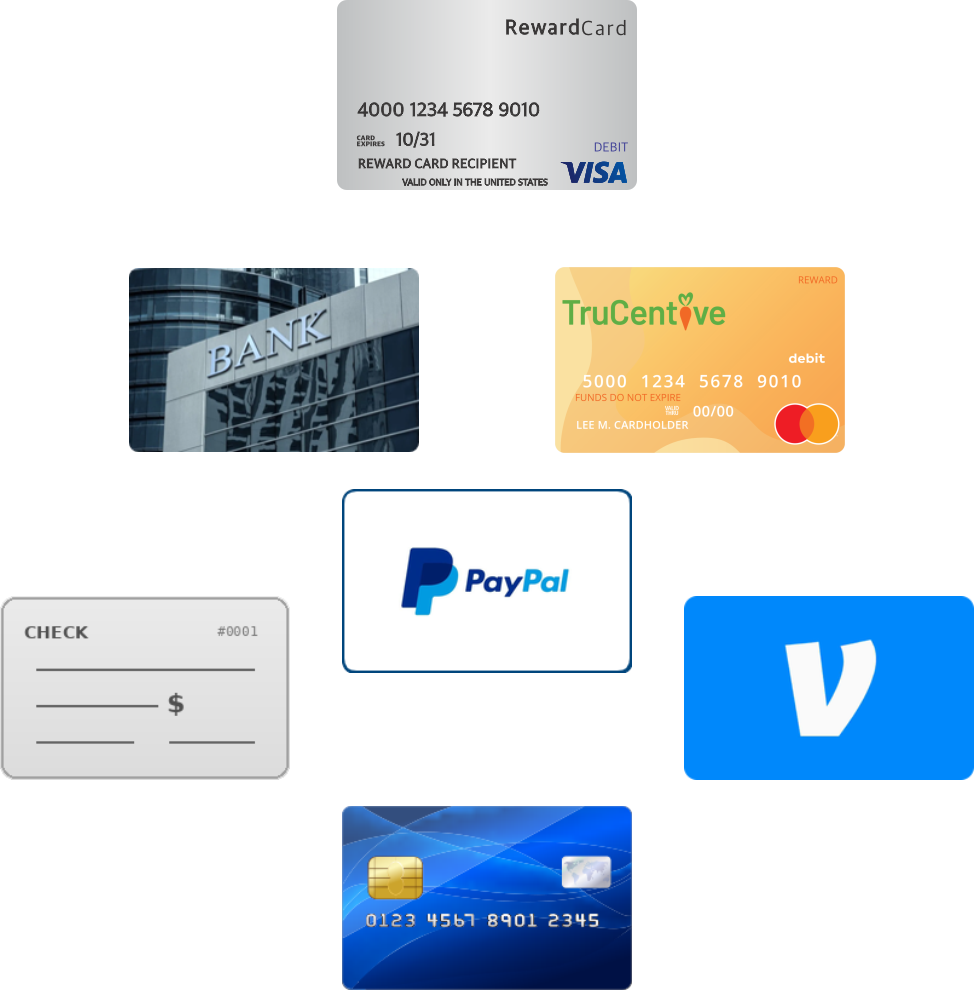
The strongest approach is usually a flexible payout menu that includes:
Cash or digital payment, gift cards, donation options, rotating merch, premium merch bundles for milestones, and exclusive items for advisory boards, panels, or long term cohorts.
This lets participants choose whatever fits their life, their preferences, and their relationship to the research.
Researchers already know that small details shape behavior. Incentives are no different. A good merch program should be intentional about it.
Offer items people would actually use. Match rewards to the audience and the research context. Keep quality high enough that the item feels worth choosing. Rotate options to preserve novelty. Avoid excessive branding. Keep cash equally easy to select. Track redemption patterns by segment, study type, and cohort. Ask participants why they chose a particular reward.
Those choices teach you something along the way. If UX testers gravitate toward tech accessories, customer panelists lean into branded apparel, and survey participants stick with cash, that’s useful insight in itself. Incentive selection becomes another signal about what your participants actually value.
None of this means merch should replace fair monetary compensation. For a lot of participants, cash is still the most useful and most respectful option.
The strongest approach is usually a flexible payout menu that includes:
This lets participants choose whatever fits their life, their preferences, and their relationship to the research.
Design Sessions are a great way to review best practices and create a complete delivery sample.
We use cookies to improve your experience on our site. By using our site, you consent to cookies.
Manage your cookie preferences below:
Essential cookies enable basic functions and are necessary for the proper function of the website.
These cookies are needed for adding comments on this website.