
SOC 2 TYPE II Certified · HIPAA · PCI DSS · WCAG 2.2 AA · Trust.TruCentive.com
Only Pay for Claimed Rewards
Support | 415-386-8600
Take the opportunity to highlight mental health, burnout prevention, supportive workplace practices, and practical ways employees can care for their well-being.
Reinforce the message with tangible reminders.

Stress Awareness Week is an excellent opportunity to highlight stress reduction strategies. For many, burnout and stress have been on the rise. The need to juggle work demands with competing life responsibilities (parenting, caretaking, health issues, or otherwise) has led some to consider what they really want in a job and how that fits into their whole life. And for certain employees, that’s meant leaving companies where they don’t feel supported.
Anytime is the right time to highlight that mental health is important to your organization and show employees you care for their well-being. Mental Health activities help employees feel happier and more connected in our increasingly isolated world. Boost company culture by encouraging activities that support good mental health.
n.
1. the physiological or psychological response to internal or external stressors. Stress involves changes affecting nearly every system of the body, influencing how people feel and behave. For example, it may be manifested by palpitations, sweating, dry mouth, shortness of breath, fidgeting, accelerated speech, augmentation of negative emotions (if already being experienced), and longer duration of stress fatigue. Severe stress is manifested by the general adaptation syndrome. By causing these mind–body changes, stress contributes directly to psychological and physiological disorder and disease and affects mental and physical health, reducing quality of life. See also chronic stress. [first described in the context of psychology around 1940 by Hungarian-born Canadian endocrinologist Hans Selye (1907–1982)]
Positive feedback and recognition can make someone’s day. It can also build deeper connections between managers and teammates and reduce stress. Practicing positive feedback regularly can help increase trust; building a community where employees feel supported and can be themselves at work.
Give managers easy access to tools to help encourage their team. A quick thank you with a personalized message and a selection of gift cards for coffee, lunch, or other activities magnifies the sentiment. Make sure recipients have a comfortable way to share their recognition.
Encourage employees to give each other shout-outs for a job well done on tools like Teams or Slack. Lead by example, and send the first DM giving someone a shout-out. Reward employees who participate with lunch or a treat.
You can also do shout-outs during team or company-wide meetings. Send a digital gift during the meeting to everyone’s email or mobile phone.
Give employees an extra 4 or 5 hours one Friday afternoon. Give them advance notice so they can plan time for themselves. Let them know that this time is for them, not for work.
Here is an example of how to communicate this to your team:
“In honor of Mental Health Awareness Month, we are requiring all team members to log off and start their weekend early this Friday at 12 pm. Yes, you are required! We encourage you to take time for self-care, whatever this looks like. Spend time with friends, family, co-workers, take a hike, read a book, watch a movie, take a nap… enjoy!”
Exercise is a great Mental Health Awareness Month activity because it hits on so many crucial aspects of employee wellbeing:
If your team can get together in person, take a walk or hike together. Virtual teams can use health apps to see who can get the most steps in the month.
Reward the winners!
Help employees create an environment they want to work in. Develop a space that helps employees thrive and be productive. Suggest adding a plant, hanging a painting, or having an adjustable light so they can adjust the light settings as needed, including a picture of the family, etc.
Styling the workspace is not for everyone. However, there are certain things that employees can do to create the perfect environment.
To create the best vibe, respect noise levels, be mindful of shared resources, practice good communication, share updates, give credit where it’s due and show appreciation for small and large efforts.
Let employees take an extended lunch break to take an extra few minutes alone or with colleagues. Over half of employees don’t take a lunch break, and 56% of people step away from work for lunch and only take 30 minutes or less for their break.
An overwhelming 94% of employees feel happier when they take lunch breaks. Lunch is an excellent opportunity to recharge, socialize, walk, and take a breather.
International Stress Awareness Week activity looks different for everyone. For some, taking a walk after they eat lunch helps them reset. For others, it may be calling a loved one or chatting with coworkers.
It’s essential to set an example as a company leader for this one. Take that extra time during your lunch this Stress Awareness Week and see other employees follow suit.
Give employees a little “self-care bonus” that they can use to bring some joy into their week.
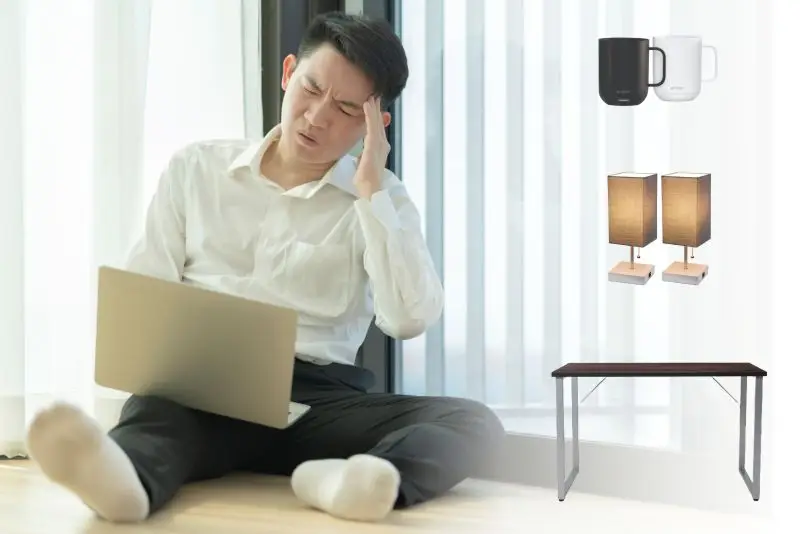
Here are some ideas of small things to buy for stress management purposes:
Tell everyone to share their purchases with the team.
Take a Breather – In times like these, it’s easy to feel overwhelmed. Take time to take care of yourself. Try to get enough sleep, take a short walk during the day, and eating balanced meals more regularly are simple, helpful ways that you can help employees manage their stress.
Don’t Keep Stress to Yourself – Encourage employees to speak to their managers or your organization’s HR department if they feel stressed. These conversations often lead to simple solutions that can alleviate some of these feelings — but many employees don’t feel comfortable approaching leadership with a problem. Remind them that your organization is there to help.
There’s No Shame in Stress – Mental health and mental health awareness can often come with some stigma. Ensure that your employees know that they will not be judged or shamed if they choose to share their feelings and have an action plan in place should an employee receive a negative response to speaking about their stress.
Sharing is caring – Good company culture is collaborative, but collaborating doesn’t have to stop with individual projects or deliverables. Encourage employees to share tactics that have helped them manage their stress with the larger team.
It’s always a good idea to share resources outside of your organization that employees can turn to, especially in the case of mental health. Compiling a list of those who may need more help than your organization can provide regarding their stress and anxiety is an easy way to provide support.
Provide optional gift cards or merchandise that support stress-relief and self-care activities. Send-Ready templates can combine sample incentives with automated reminders for consistent delivery.


Stress is a physiological or psychological response to internal or external stressors. It can affect nearly every body system and influence how people feel and behave.
Possible signs include palpitations, sweating, dry mouth, shortness of breath, fidgeting, accelerated speech, intensified negative emotions, and prolonged fatigue. Severe or chronic stress can affect mental and physical health and quality of life. See the APA Dictionary entries for general adaptation syndrome and chronic stress.


Rapid technological, economic, and political change can create both opportunities and significant psychological challenges for workers. Organizations should pay attention to how change affects different roles and communities.
The APA’s 2025 Work in America Survey: The Experience of Working in America During Times of Change examines how workers say employers are navigating technological, economic, and political shifts, and how those changes affect psychological and emotional well-being.
The Harris Poll conducted the survey online for APA from March 26–April 4, 2025, among more than 2,000 working adults in the United States. Read the APA report →

The body can handle stress in small doses, but long-term or chronic stress may have serious health effects. Read APA guidance on stress and the body →
When stress becomes difficult to manage, evidence-based tools and professional support can help.
Stressful experiences are a normal part of life, and some short-term stress can feel challenging and satisfying. Chronic workplace stress, however, can become overwhelming and harmful to physical and emotional health.
Read APA tips for managing stress →
Working hard should not mean overworking at the expense of relationships and physical health. Read APA guidance on work stress →

Design Sessions are a great way to review best practices and to create a complete delivery sample.
We’ll walk you through building a complete project in the campaign builder with your logo, your recipients, and your incentive selections.
We use cookies to improve your experience on our site. By using our site, you consent to cookies.
Manage your cookie preferences below:
Essential cookies enable basic functions and are necessary for the proper function of the website.
These cookies are needed for adding comments on this website.